Conceptual and Schematic Design
Establishing the Creative Direction of a Project
Conceptual and schematic design mark the beginning of the architectural process, where ideas take form and the vision for a project becomes tangible. At SNJ Design Studio in Rocky River, OH, Akron, OH & Lorain, OH, this stage blends creative thinking with informed analysis to outline the building’s character, layout, and overall framework. The goal is to give shape to the insights developed during programming and transform abstract goals into preliminary architectural solutions.
Conceptual design explores broad possibilities without immediate concern for refined details. It defines the essence of the project by examining massing, spatial organization, site relationships, and aesthetic direction. Schematic design then advances these concepts into more structured layouts, preparing the groundwork for detailed development later in the process. Together, these stages ensure that the architectural direction aligns with client objectives, site conditions, and regulatory frameworks.
Developing Foundational Concepts for the Design
Conceptual design involves gathering inspiration, analyzing constraints, and evaluating multiple ideas before identifying the strongest direction. SNJ Design Studio approaches this process with curiosity and precision, ensuring that each concept remains rooted in the project’s functional purpose.
Exploring Design Intent
This stage focuses on understanding how the building should feel, operate, and contribute to its surroundings. The studio studies patterns of movement, desired experiences, and architectural influences to establish design intent.
Examining Site Relationships
The building’s relationship to natural light, views, access points, and surrounding structures plays an important role. Concepts are shaped to enhance these factors while addressing environmental conditions unique to Rocky River, Akron & Lorain.
Generating Massing Options
Early sketches or studies illustrate possible building forms. These massing concepts help determine scale, height, proportion, and the potential arrangement of primary building components.
Transforming Concepts Into Schematic Solutions
Once the strongest conceptual ideas have been selected, schematic design begins to refine them into technical and spatial arrangements. This stage translates vision into layouts that illustrate how occupants will experience the building and how each space interacts with others.
Defining Spatial Organization
Rooms, circulation routes, service areas, and support spaces are arranged into a cohesive plan. The relationship between spaces is refined to support functionality, comfort, and intuitive movement.
Reviewing Structural and Systems Requirements
Preliminary discussions with consultants help establish where structural elements, mechanical pathways, and utility systems may be placed. These considerations ensure that the evolving design remains feasible and efficient.
Producing Preliminary Drawings
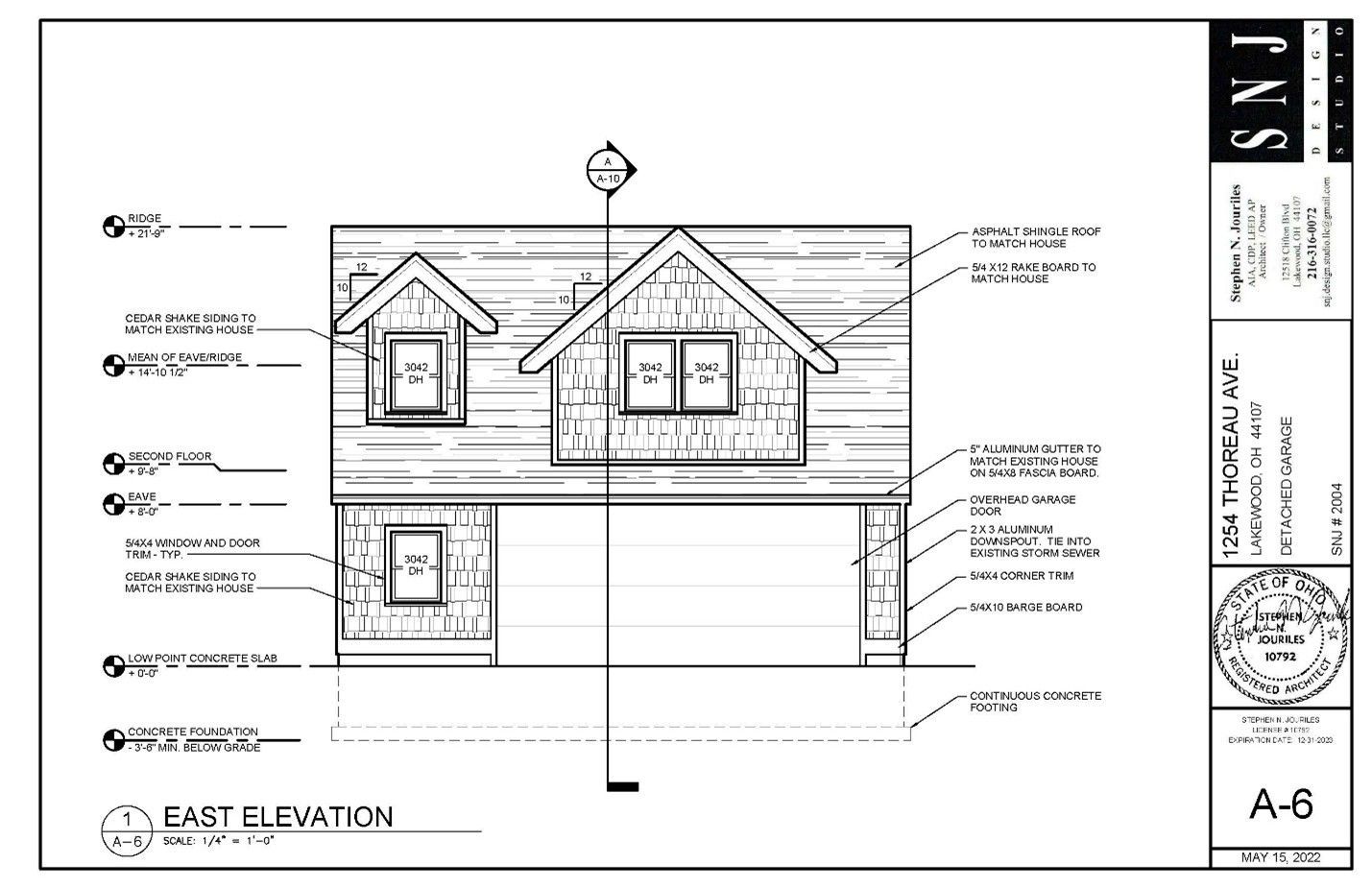
Core deliverables may include basic floor plans, elevations, or site diagrams. These drawings are not final but offer enough detail to illustrate the project’s direction and support continued refinement.
Evaluating Design Feasibility and Project Alignment
A successful conceptual and schematic design process ensures that the emerging solution aligns with regulatory requirements, operational needs, and client expectations. SNJ Design Studio
incorporates continuous evaluation throughout this phase to reduce future revisions and maintain clarity.
Reviewing Compliance Factors
Local zoning, Rocky River, Akron & Lorain development guidelines, and Ohio Building Code requirements are considered throughout schematic planning. Early awareness of regulatory constraints helps avoid redesign later in the project.
Confirming Program Fit
The design is measured against the building program to ensure that each space fulfills the intended purpose. If discrepancies arise, adjustments are made to better support user needs and functional goals.
Assessing Construction Practicality
By examining materials, structural strategies, and potential cost implications, schematic design ensures that the chosen direction can realistically be constructed within anticipated project expectations.
Visualizing the Architectural Experience
Conceptual and schematic design are as much about communication as they are about planning. SNJ Design Studio uses visualization techniques to help clients understand how the building will look, feel, and operate once built.
Illustrating Form and Character
Studies focusing on façade language, roofline expression, and material possibilities create a sense of architectural identity at an early stage.
Demonstrating Spatial Flow
Layouts and diagrams show how occupants will move through the building, how natural light enters key areas, and how spaces work together to support activities and daily routines.
Refining Project Direction Through Dialogue
Feedback is encouraged throughout the visualization process. Collaborative discussion ensures the design reflects both creative exploration and client values.
Preparing for Design Development and Next Steps
The completion of conceptual and schematic design equips the project with a clear and informed foundation. With this groundwork established, the next phases of architectural design become more efficient and precise.
Establishing a Defined Architectural Framework
The selected schematic drawings provide the organizational structure on which detailed design development will build. This framework represents the first cohesive form of the project.
Supporting Budget and Scheduling Conversations
With a defined building layout and massing, consultants and contractors may begin early evaluations, helping align the project with financial and timeline considerations.
Transitioning Into Detailed Design
Once the schematic phase concludes, the project is ready for design development, where materials, systems, and technical elements are explored in greater depth.