Design Development
Advancing the Architectural Direction With Technical Detail
Design development is the stage where architectural concepts become fully realized, technically coordinated solutions. At SNJ Design Studio in Rocky River, OH, Akron, OH & Lorain, OH, this process refines the schematic design into a comprehensive and buildable framework that integrates structure, systems, material choices, and technical considerations. The goal is to transition the project from broad architectural ideas into detailed design decisions that prepare the building for construction documentation and engineering coordination.
During this phase, the design team evaluates how the building will function on a practical level, how its systems will operate, and how each component contributes to overall performance. Design development bridges creativity with technical precision, ensuring the architecture remains aligned with the client’s goals while complying with structural, mechanical, and regulatory requirements.
Refining Architectural Layouts and Building Relationships
As the project evolves beyond the schematic stage, the spatial organization becomes more detailed. SNJ Design Studio refines room configurations, circulation paths, structural grids, and key building elements so that the design can accommodate real-world functionality and technical systems.
Detailed Space Planning
Each space is evaluated for its specific requirements, including clearances, occupant flow, equipment needs, and operational patterns. Adjustments are made to ensure practical performance while staying consistent with the building program.
Structural Integration
Preliminary structural approaches from earlier phases are developed more fully. Coordination with structural engineers allows the design team to understand load paths, framing strategies, and the placement of major structural components.
Refinement of Building Envelope
Exterior walls, windows, doors, and roof systems are studied for thermal performance, durability, and design expression. This stage includes evaluating material compatibility and the technical feasibility of design elements.
Coordinating Mechanical, Electrical, and Plumbing Systems
A successful design must integrate building systems seamlessly with architectural intent. Design development includes careful coordination of mechanical, electrical, and plumbing (MEP) components to ensure systems function efficiently within the established layout.
Mechanical System Planning
Heating, cooling, and ventilation requirements are reviewed and translated into spatial allowances for equipment, duct paths, and mechanical rooms. System strategies consider efficiency, maintenance access, and environmental conditions.
Electrical and Lighting Coordination
Electrical distribution, lighting design, and power needs are evaluated to support both functional and aesthetic goals. Early coordination helps maintain consistency between switches, outlets, fixtures, and architectural features.
Plumbing and Utility Integration
Plumbing risers, fixture locations, drainage needs, and utility connections are developed with attention to efficiency and accessibility. This coordination ensures that water and waste systems align with the building’s layout and regulatory requirements.
Material Selection and Technical Specification Development
Material choices significantly influence a building’s appearance, performance, and longevity. During design development, SNJ Design Studio
explores options that align with the architectural vision and meet technical standards.
Exterior Material Evaluation
Façade materials, roofing systems, insulation types, and finishing elements are reviewed for durability, weather resistance, and compatibility with Rocky River’s climate. These decisions refine the building’s exterior character.
Interior Finish Determination
Interior surfaces are considered for their maintenance needs, acoustic qualities, and visual expression. The selection process ensures that materials support both functional use and the atmosphere of each space.
Integration of Product Specifications
As materials and systems are identified, preliminary specifications are developed. These documents outline the performance standards, installation requirements, and product details that will guide construction documentation.
Ensuring Compliance and Technical Feasibility
Design development must account for building codes, zoning restrictions, and regulatory standards. SNJ Design Studio incorporates compliance review into each stage of decision-making to minimize revisions during permitting and construction.
Verification of Code Requirements
Life safety, accessibility, structural performance, energy efficiency, and fire protection requirements are reviewed in detail. Compliance remains a guiding factor as drawings become more defined.
Evaluation of Construction Methods
Different construction strategies are compared for feasibility, cost implications, and alignment with project goals. This ensures that the design can be built efficiently once it progresses to later stages.
Coordination With Engineering Consultants
Regular communication with engineers and technical specialists helps unify architectural intent with structural, mechanical, and electrical strategies. This collaboration reduces conflicts and supports a cohesive final design.
Preparing for Construction Documentation and Project Advancement
The design development phase concludes with a comprehensive and coordinated set of drawings and decisions that serve as the basis for construction documentation. This transition sets the stage for preparing detailed plans that contractors will use to build the project.
Establishing Detailed Drawings
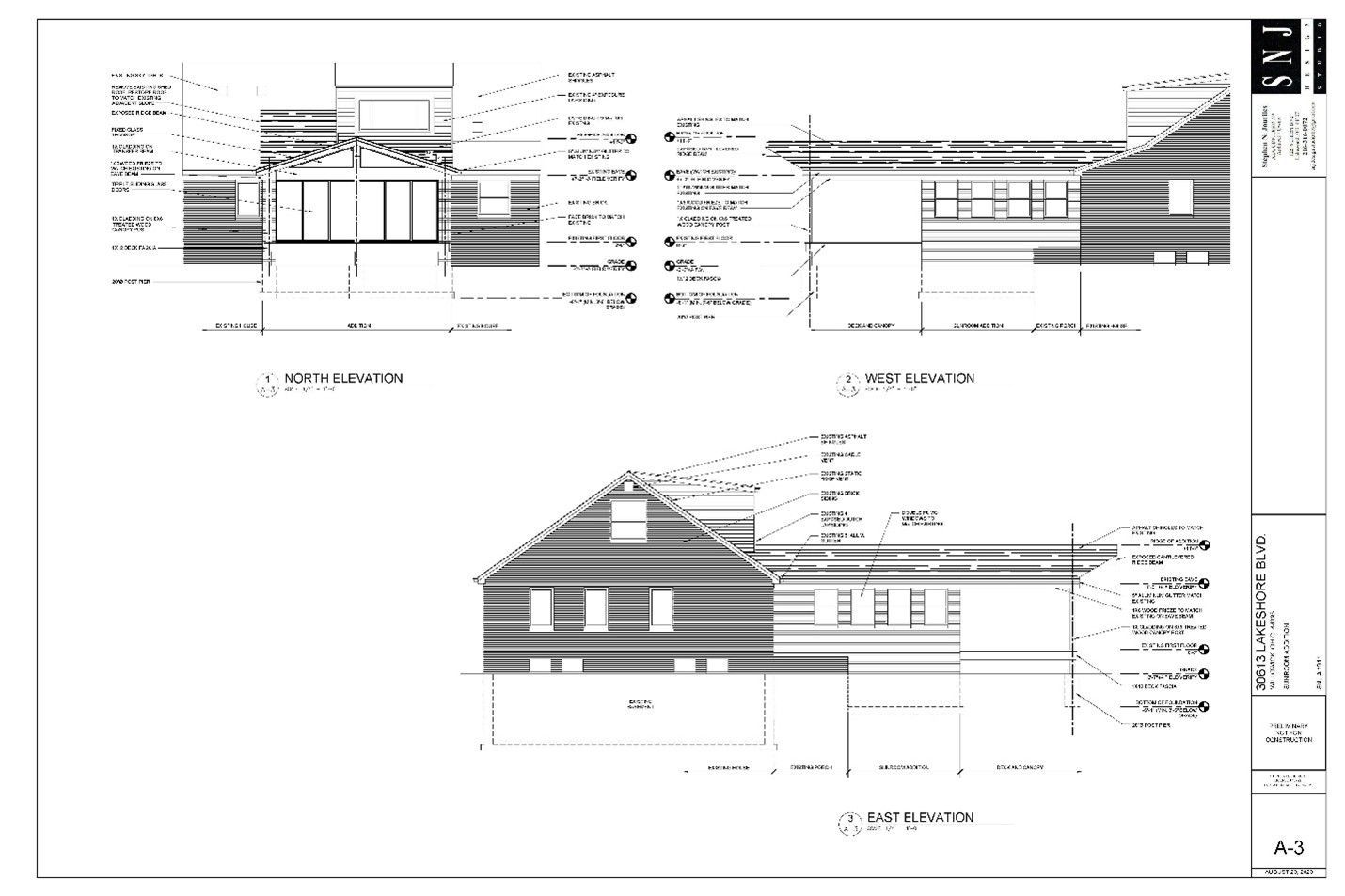
Floor plans, elevations, building sections, and system layouts evolve into more precise graphics that reflect refined decision-making and technical coordination.
Supporting Cost Planning and Scheduling
With materials, systems, and spatial relationships defined, early pricing exercises can take place. This helps ensure that the project remains aligned with financial and timeline expectations.
Creating a Foundation for Permit Submission
The refined design, supported by coordinated documentation, enables the team to move forward with permit drawings and technical detailing required for official review.