
Roofing and Building Exterior Condition Assessments in Northeastern Ohio
Understanding the Importance of Exterior Condition Evaluations
The exterior of a building serves as its primary line of defense against weather, moisture, and environmental wear. Roofing systems, façades, walls, flashings, and exterior finishes all work together to protect the structure and ensure long-term performance. At SNJ Design Studio in Rocky River, OH, Akron, OH & Lorain, OH, roofing and building exterior condition assessments are conducted to identify concerns, document existing conditions, and provide a clear understanding of how the building envelope is functioning. These assessments give insight into both current performance and potential future maintenance needs.
Exterior evaluations are essential for owners planning renovations, repairs, property acquisitions, or long-term facility management. They assist in understanding the condition of materials, the effectiveness of water management strategies, and any issues affecting structural or aesthetic performance. SNJ Design Studio
provides assessments grounded in architectural expertise, focusing on clear documentation and practical recommendations that support informed decision-making.
Evaluating Roofing Systems for Performance and Longevity
A building’s roof endures some of the harshest exposure, from seasonal temperature changes to wind, UV radiation, snow loads, and moisture. Roofing assessments performed by SNJ Design Studio examine both visible conditions and underlying concerns that may affect longevity.
Reviewing Roofing Materials and Installation
The evaluation includes identifying roof type, material composition, installation patterns, and weathering characteristics. This review helps determine whether the system continues to perform as intended.
Observing Surface Conditions
Signs of wear such as cracking, blistering, ponding, or membrane deformation are documented. These observations indicate where repairs or replacement strategies may eventually be needed.
Examining Drainage Performance
Proper drainage is essential to prevent water infiltration. Assessments include reviewing downspouts, scuppers, drains, and slope conditions to determine whether water is being properly diverted.
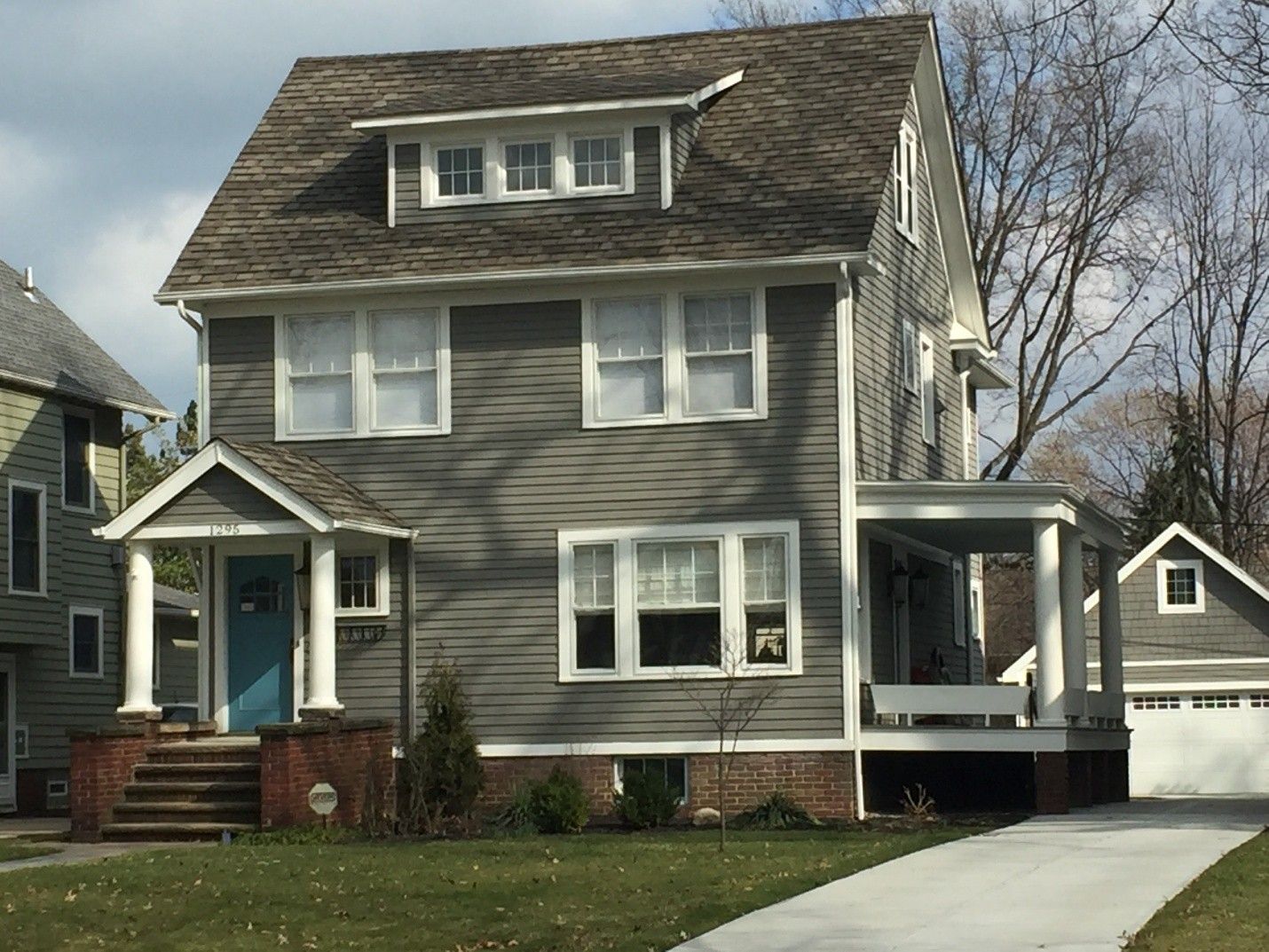
Assessing Exterior Walls, Cladding, and Façade Systems
Beyond the roof, building façades protect the interior from moisture intrusion, air leakage, and environmental exposure. SNJ Design Studio
evaluates these elements to understand how the exterior envelope is performing as a whole.
Identifying Exterior Material Conditions
Brick, stone, siding, stucco, metal panels, and other façade materials are examined for deterioration, staining, separation, or signs of structural movement. These observations help determine the current state of the building’s exterior envelope.
Reviewing Flashings, Sealants, and Joints
Transitions between materials, window perimeters, and roof-to-wall intersections are vulnerable to failure. Assessing the integrity of sealants and flashings helps identify areas where moisture may enter the building.
Observing Structural and Moisture Concerns
Changes in wall alignment, efflorescence, or moisture staining can indicate deeper issues. Documenting these findings supports decisions about further investigation or targeted repairs.
Analyzing Exterior Elements That Influence Building Performance
Exterior components extend beyond roofing and wall systems. Condition assessments by SNJ Design Studio
take a holistic approach, considering all exterior features that contribute to the building’s safety, usability, and resilience.
Reviewing Openings and Fenestration
Windows, doors, and skylights are checked for operational function, glazing performance, seal condition, and signs of air or water leakage.
Evaluating Site Drainage and Building Perimeter
The interface between the building and its surrounding site affects water management. Grades, paving, landscaping, and foundation exposure are reviewed for their impact on moisture control and exterior performance.
Considering Environmental Exposure
Rocky River’s climate, including lake-effect weather conditions, influences how materials age. Assessments consider these environmental factors to provide context for observed wear patterns.
Documenting Findings and Supporting Decision-Making
After the assessment, SNJ Design Studio compiles findings into clear documentation that supports planning and project direction. This information helps building owners understand existing conditions and evaluate future needs.
Creating Condition Reports
Reports include written assessments, photographic documentation, and a detailed explanation of observed conditions. This material becomes a useful reference for maintenance, repair planning, or property evaluations.
Describing Potential Impacts
Each finding is explained in terms of potential risks, performance concerns, or long-term implications. This helps clients understand the significance of identified issues.
Outlining Practical Next Steps
While assessments do not dictate mandatory actions, they provide insight into which areas may require monitoring, maintenance, further testing, or design solutions.
Supporting Renovation Planning, Repairs, and Long-Term Strategies
Condition assessments play an essential role in preparing for renovation projects, planning maintenance, or evaluating property investments. SNJ Design Studiouses assessment findings to help clients move forward with clarity.
Preparing for Repair or Replacement Work
Understanding the existing condition of roofing and exterior systems allows project teams to plan targeted interventions that address the source of issues.
Coordinating With Consultants and Contractors
Assessment results support conversations with roofing specialists, exterior contractors, and engineers as repair plans or design strategies develop.
Supporting Long-Term Asset Management
Regular assessments provide a record of how the building envelope evolves over time. This information helps owners plan budgets, anticipate replacement cycles, and prioritize maintenance.